
September is a month to remember! Last week, EATIP represented the OLAMUR project at the annual EATIP Mirror Platforms held in Westport, Ireland. A big thank you to the Bord Iascaigh Mhara – Ireland’s Seafood Development Agency (BIM) team for organising such a wonderful event. The EATIP Mirror Platforms (MiPs) serve as a key communication bridge for knowledge exchange and stakeholder engagement between regional European aquaculture clusters and the OLAMUR project.
The OLAMUR project focuses on testing the commercial and environmental viability of Multi-Use Low-Trophic Aquaculture (MU-LTA), including the cultivation of seaweed and mussels within offshore wind farms. The MiPs facilitate the dissemination of findings to local industries and gather regional feedback to inform the project through stakeholder webinars and workshops.
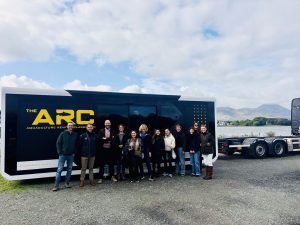
Key highlights of the week included a visit to the Aquaculture Remote Classroom (ARC), which provides fantastic opportunities to learn about aquaculture. The dedicated team engages schools and the community through interactive programs. This visit sparked discussions about the social license for such initiatives, which create positive impacts by providing access to educational opportunities that might otherwise be unavailable. Our project associate, Gareth Murphy from Óir Na Farraige, who also works closely with the ARC and the BIM team, has strengthened our connection with BIM. Their community outreach and educational programs in schools across Ireland are truly commendable.
During the meeting, we learned about the ORRI tool, developed collaboratively by EATIP on the Aquarelle project and Lomartov partner. This tool recognises that success in aquaculture depends not only on technical performance or regulatory compliance but also increasingly on public trust, stakeholder confidence, environmental credibility, and the ability to anticipate concerns before they become obstacles. Try it! It’s in its testing phase, and your feedback is useful.
The ARC exemplifies effective engagement in discussions that educate stakeholders and consumers about the benefits of aquaculture for blue and circular economies. (To learn more about the ARC, visit: https://bim.ie/a-seafood-way-of-life/the-arc/.)

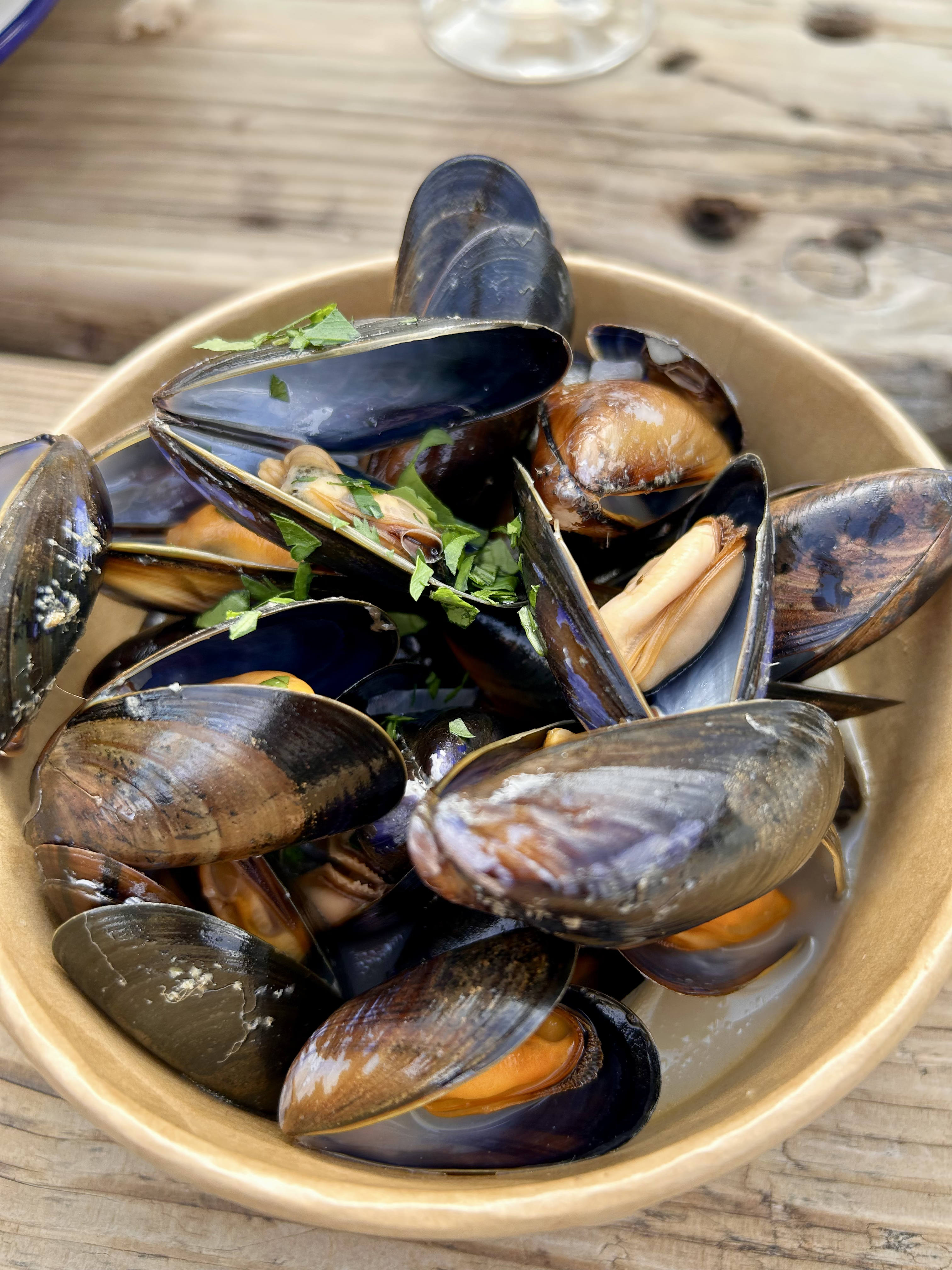
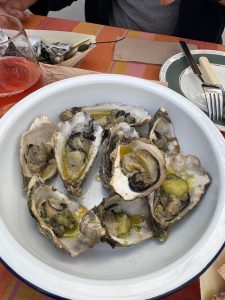
Another highlight of our trip was the scenic visit to Killary Fjord, where we enjoyed a wonderful lunch at the Killary Fjord Shellfish Farm. As part of the Taste the Atlantic initiative, in partnership with the Irish Tourist Board and Fáilte Ireland, we savored an exquisite meal featuring freshly harvested mussels and oysters from the farm—a truly mouthwatering experience!
 Meeting in person as project partners creates invaluable opportunities to connect and strengthen our collaborations. It also allows us to engage with the broader aquaculture community and experience the local environment firsthand. These face-to-face interactions enable us to learn directly from industry professionals and small businesses about the challenges and opportunities they face. We gain a deeper appreciation for their skill, ingenuity, and creativity in delivering a diverse range of services that support their businesses and livelihoods.
Our visit to Killary Fjord Shellfish Farm underscores a strong commitment to high standards. Their best practices highlight the importance of sustainability and an ecosystem-based approach to producing high-quality, locally sourced low-trophic seafood. This dedication fosters a warm and inviting atmosphere for gatherings around the dinner table.
Special thanks to Áine-Lisa Shannon, Damien Toner, and the BIM team for the invitation, for coordinating such an excellent meeting, and for sharing cultural insights along the way!
See more images on the LinkedIn post